



Description
Training is one of the pillars that support the open data ecosystem in Europe. Publishing data is essential, but just as important is that there are capabilities to understand, reuse and manage it properly. In this context, the European Open Data Portal (data.europa.eu) offers an online training programme that allows you to become familiar with the open data ecosystem from different angles: basic concepts, legal frameworks, emerging trends, success stories or good practices of publication and reuse.
This program has incorporated a relevant novelty in 2026: learning paths or structured learning itineraries, which allow you to advance step by step in the domain of open data.
From datos.gob.es we want to publicize this update, which reinforces the European training offer and complements already consolidated initiatives. We tell you about it in this post.
What changes in 2026? Step-by-step itineraries
The main novelty is the incorporation of learning paths, conceived as structured training paths that group content (readings, videos and quizzes) in a logical and progressive order.
Until now, the academy allowed free access to courses organized by subject (Policy, Legal, Quality, Business, Impact, Communication and Portal) and level (beginner, intermediate or advanced). With the new itineraries, learning becomes a more guided experience:
- An itinerary is chosen according to the level of experience.
- Progress is made sequentially.
- Activities and questionnaires are carried out.
- A certification is obtained at the end.
This structure makes learning particularly easy for those who are looking for an orderly training, with clear objectives and a defined progression.
The new itineraries are especially aimed at the public sector, although anyone interested can take them. They are organized into three levels.
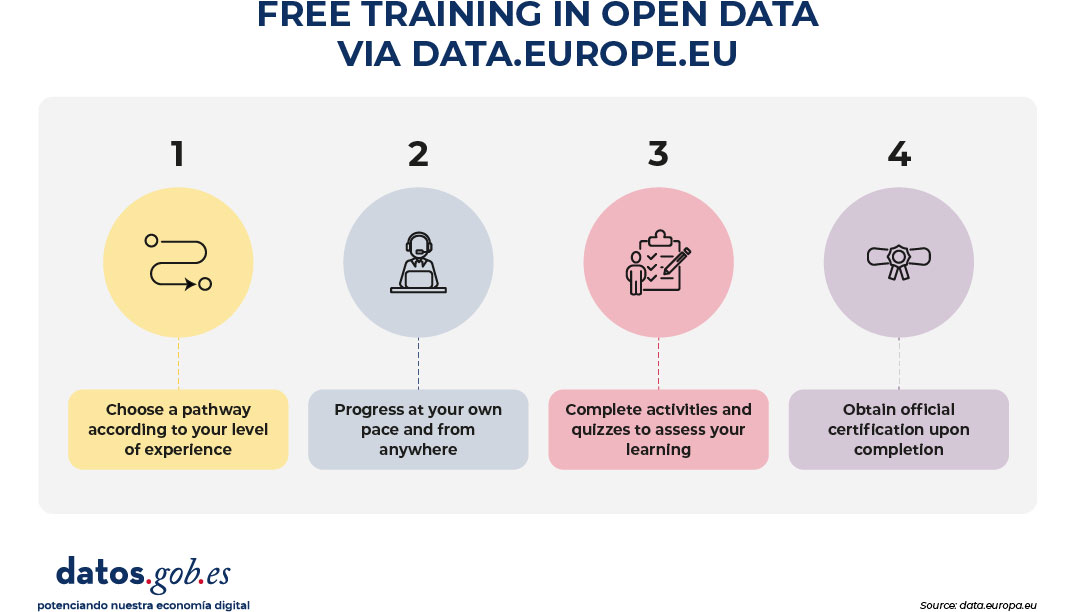
Figure 1. Free training process in open data via data.europe.eu
1. Beginner Level: The Basics of Open Data
Approximate duration: 4 hours and 23 minutes.
This itinerary provides a solid foundation for understanding:
- What is open data?
- What are its fundamental principles?
- How they are published.
- What benefits they generate for innovation, transparency and reuse.
It is intended for people who are new to working with data or want to understand the general framework of open data. It is also useful for non-technical profiles that need a strategic vision. The goal is to build a robust conceptual foundation before addressing more complex aspects.
2. Intermediate level: the legal and strategic framework
Approximate duration: 7 hours and 3 minutes.
The second itinerary delves into the legal and public policy aspects that underpin the European data strategy. Among the topics covered are:
- The European regulatory framework on data.
- The legal implications of information sharing.
- Reuse licenses.
- Regulatory compliance.
This level is especially relevant for transparency managers, legal advisors, portal managers and profiles involved in data governance.
Understanding the legal framework is a requirement to publish data with guarantees and encourage its reuse in a secure way and in accordance with European regulations.
3. Advanced level: quality and interoperability
Approximate duration: 4 hours and 39 minutes.
The third itinerary addresses two critical issues for the success of open data: quality and interoperability.
Content includes:
- Data quality principles and metrics.
- Interoperability methodologies.
- Standardization guidelines.
- Advanced metadata management.
- Application of European standards such as DCAT-AP.
This level is aimed at technical or strategic profiles that want to improve the coherence, accessibility and reuse of published data.
In a European context where cross-border interoperability is essential, adopting common standards is a condition for generating real impact.
Digital Certificates & Badges
One of the most attractive elements of the update is the possibility of obtaining official certificates upon completion of each training itinerary.
To get them, the process is simple:
- Complete all the modules of the itinerary.
- Pass the final quiz.
- Download the corresponding certificate.
In addition, the academy allows you to earn digital badges as you progress through the content. These credentials can be shared in professional profiles and are a tangible way to accredit open data competencies.
In a work environment where data literacy is increasingly in demand, having European certificates reinforces the professional profile and demonstrates commitment to continuous training.
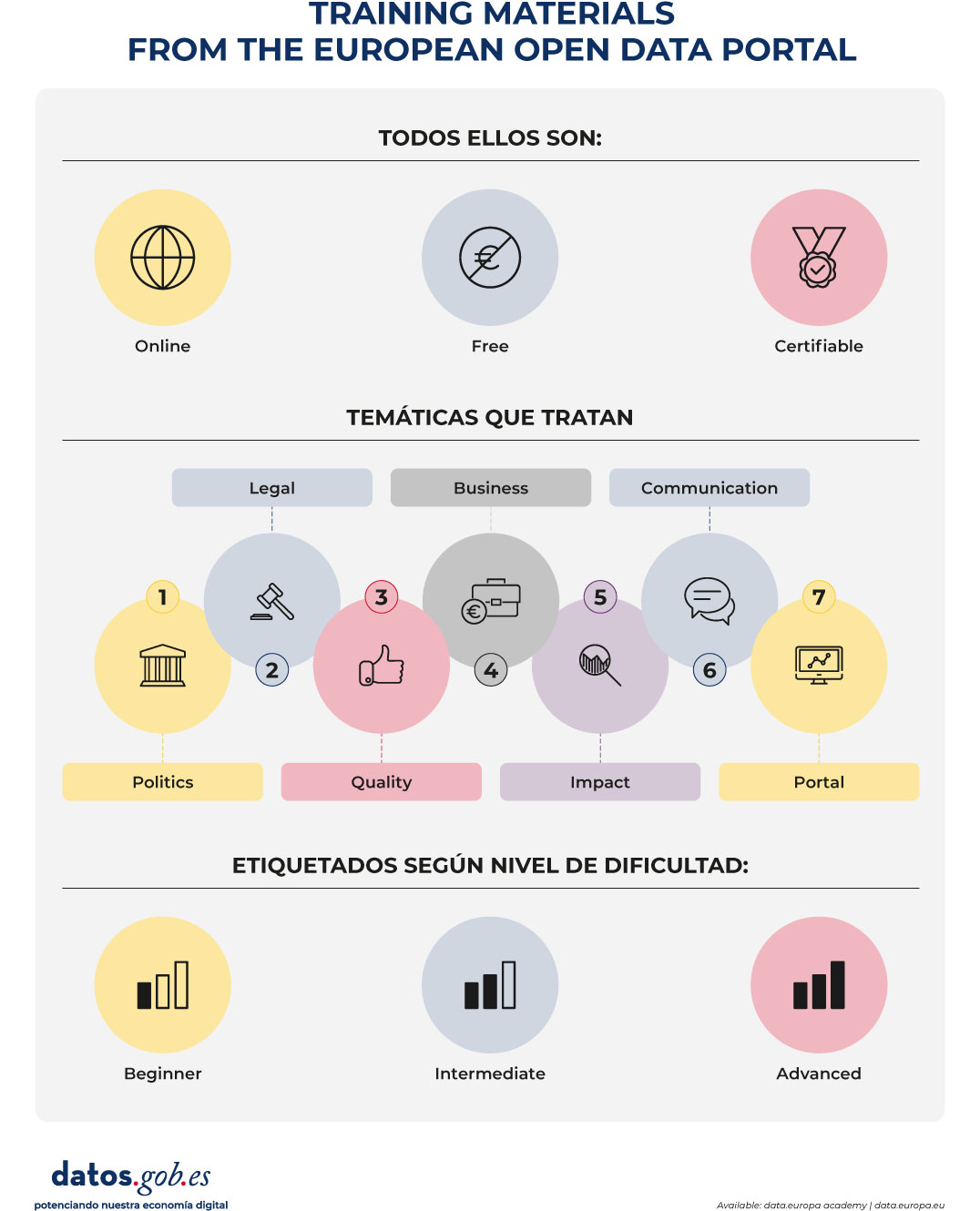
Figure 2. Training materials from the European open data portal. Source: own elaboration
Continuous training as a strategic element
One of the strengths of the academy is its applied approach. The contents show how open data is connected to specific challenges such as improving public services, promoting innovation and economic development or transparency and the evaluation of public policies.
In addition, as it is a free and accessible online platform, it eliminates economic barriers and facilitates participation from any territory.
In this sense, learning paths represent a step forward towards a more structured, coherent and recognizable training. Because, by integrating content, evaluation and certification in a single journey, the academy reinforces the value of learning and makes it easier for each person to advance at their own pace.
The European data ecosystem is evolving rapidly. The European data strategy, sectoral data spaces and common interoperability standards require trained professionals aligned with a shared vision.
The incorporation of structured itineraries in the data.europa.eu academy is a commitment to strengthen the skills necessary for open data to generate public value. Because these new training itineraries define a clearer, more progressive and accessible learning path for the entire community. The academy update will roll out throughout 2026. From datos.gob.es we will continue to share relevant information for the Spanish open data community.



Comments